How analysts review a map without chasing the scoreboard
Separate what players knew from what the replay reveals after the fact.


A scoreboard is an efficient summary and a poor explanation. It shows who converted the map, but it does not show whether a decision was sound with the information available at the time. A disciplined esports VOD review protects that distinction. Analysts should reconstruct the choice before judging the outcome, then look for a pattern the team can change.
Watch once without stopping
The first pass should preserve the rhythm players experienced. Note the moments when control changes, but do not pause to solve them. This reveals whether the team repeatedly loses tempo after a win, struggles during transitions or depends on a single player to create information.
Write neutral observations. “Three players arrived after the objective started” is evidence. “The team has bad macro” is a conclusion that hides the sequence you need to inspect.
Rebuild the information available
On the second pass, pause before each major decision and list what the players could know: visible opponents, recent utility, economy, timers, sound and communicated map control. Hide information from the opposing perspective if the replay permits it. The goal is to avoid punishing a player for failing to react to something only the observer could see.
Compare the chosen action with two realistic alternatives, not every theoretical option. If both alternatives require information or execution the team did not possess, they are not useful coaching answers.
Track resources across the transition
Many losses begin after a successful moment. A team secures a kill, objective or site, then spends the utility needed to hold the next phase. Mark health, cooldowns, equipment, positioning and time before and after the transition. Ask which resource was meant to carry the advantage forward.
Our CS2 timeout protocol demonstrates how that observation can become a short live correction. For broader practice structure, use the team review meeting guide.
Finish with one testable change
A review should end with a behaviour the next practice can confirm. “Improve communication” is too broad. “The first player leaving the site names the unobserved route” can be heard, counted and corrected. Assign an owner and decide which scrim or drill will test it.
Keep a separate list for problems that appeared but were not selected. They are not forgotten; they are prevented from competing with the current focus. After several maps, compare the notes and promote only repeated patterns. This method respects both context and limited practice time. It turns a replay from a catalogue of blame into evidence for the next decision.
Editorial note
Kaizensclan editorial methodology for decision-focused replay analysis.
- Kaizensclan Editorial Policy — editorial-policy.html
This article was reviewed on July 31, 2026.

Related stories

OpTic vs LOUD: Masters Reykjavík 2022 final
The OpTic vs LOUD Masters Reykjavík 2022 final ended 3–0 on April 24. OpTic won two overtime maps before closing the series and became the first North America.
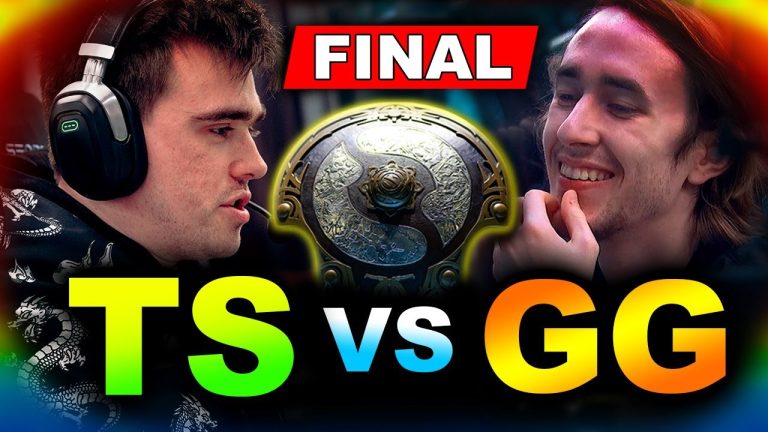
Team Spirit vs Gaimin Gladiators: TI 2023 final
The Team Spirit vs Gaimin Gladiators TI 2023 final ended 3–0 in Seattle on October 29. Spirit completed an unbeaten upper-bracket run and became the second.

Samsung White vs Star Horn Royal Club: Worlds 2014 final
The Samsung White vs Star Horn Worlds 2014 final ended 3–1 at Seoul World Cup Stadium on October 19 local time. Samsung White completed a dominant tournament.
Community channel
Join the discussion
Start a thoughtful, specific conversation about this story.
Verified readers only
Continue with Google to comment.
Your Google account creates a reader-only Kaizensclan profile. Your first comment is reviewed before publication.