LoL objective setup starts 90 seconds before the fight
Arrive with lanes, wards and recall timings aligned before the objective becomes urgent.

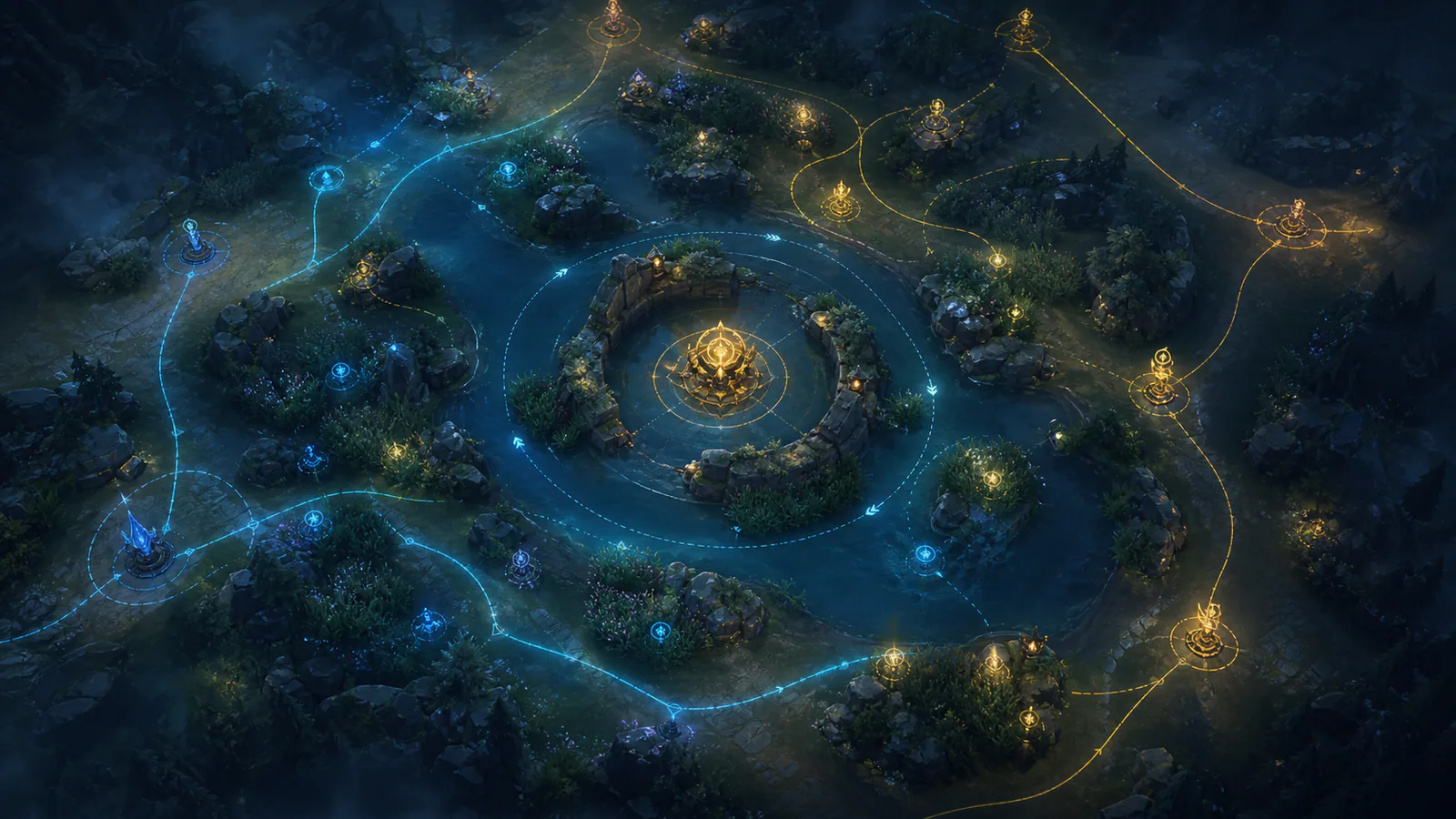
League of Legends objective fights are often explained through the final engage, yet the decisive mistakes usually happen much earlier. A late recall, an uncleared side wave or one support ward placed without cover can decide who enters the river first. A 90-second LoL objective setup gives every role a sequence that produces vision without donating tempo.
Ninety seconds: name the next map state
At roughly a minute and a half, the team should decide whether it wants to start the objective, threaten a turn or trade elsewhere. That choice determines lane assignments. A side laner with teleport can take the distant wave; a composition that needs five bodies early must shorten that assignment.
State the item and ultimate checks now. If a carry needs one wave for a completed item, the remaining four players should avoid a contest that forces an incomplete recall. Planning the purchase is part of objective control, not an individual shopping decision.
Sixty seconds: create safe vision layers
The first vision layer protects the route into river. The second watches the objective entrances. The third is aggressive and should only be placed when lanes or visible opponents make it safe. Supports who skip directly to the third layer become the pick that starts the fight at a disadvantage.
Sweep from controlled space toward contested space with a teammate close enough to answer contact. Do not clear every ward automatically. A visible enemy ward can be left alive briefly if hitting it would reveal the team’s position or stall a more valuable recall.
Thirty seconds: stop spending optional resources
When the objective is close, mobility spells, major ultimates and health bars are part of the setup. A low-value chase in mid lane may technically end in a kill while removing the tool needed to control the pit. The caller should identify which cooldown starts the real fight and protect it.
This is also the moment to establish the turn trigger. Decide which enemy crossing a line causes the team to leave the objective and fight. Without that agreement, front-line players turn while damage dealers continue hitting the target.
Zero seconds: use the advantage you built
Good setup does not require starting immediately. If the opponent arrives through one warded corridor, hold the terrain and force them to check. If they concede, take the objective with damage dealers while the rest maintain the boundary. The prior ninety seconds are valuable because they preserve both options.
Players learning these assignments can combine the timeline with our side-lane guide and draft identity guide. In review, rewind to ninety seconds before every major neutral objective and find the first lost resource. Improving that first decision is more repeatable than debating the final mechanical fight.
Editorial note
Evergreen macro analysis reviewed against the current League of Legends ruleset.
This article was reviewed on July 31, 2026.

Related stories
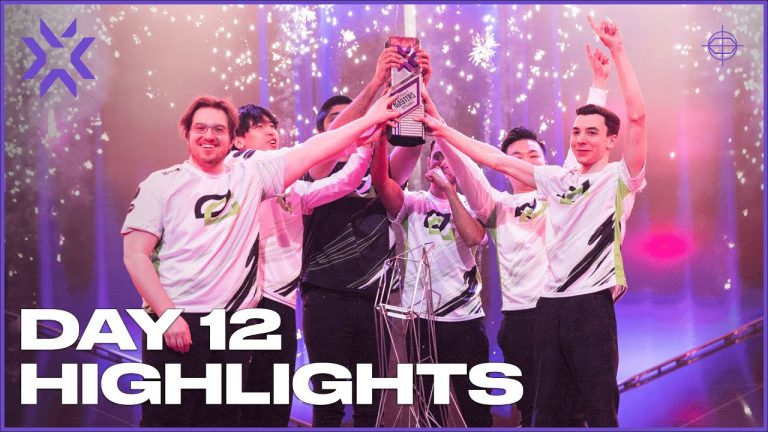
OpTic vs LOUD: Masters Reykjavík 2022 final
The OpTic vs LOUD Masters Reykjavík 2022 final ended 3–0 on April 24. OpTic won two overtime maps before closing the series and became the first North America.
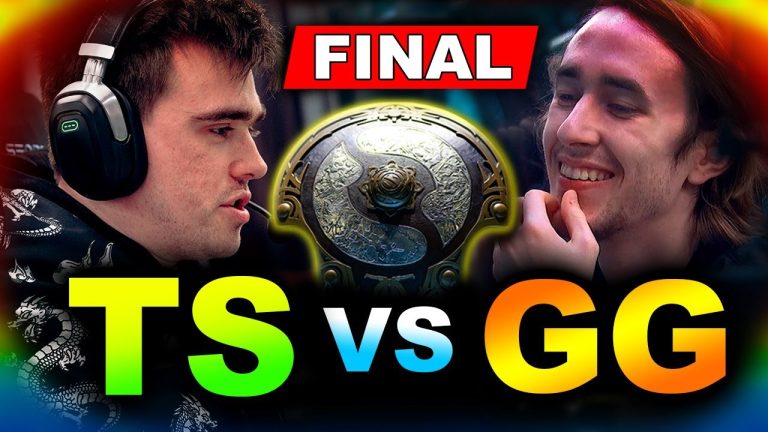
Team Spirit vs Gaimin Gladiators: TI 2023 final
The Team Spirit vs Gaimin Gladiators TI 2023 final ended 3–0 in Seattle on October 29. Spirit completed an unbeaten upper-bracket run and became the second.

Samsung White vs Star Horn Royal Club: Worlds 2014 final
The Samsung White vs Star Horn Worlds 2014 final ended 3–1 at Seoul World Cup Stadium on October 19 local time. Samsung White completed a dominant tournament.
Community channel
Join the discussion
Start a thoughtful, specific conversation about this story.
Verified readers only
Continue with Google to comment.
Your Google account creates a reader-only Kaizensclan profile. Your first comment is reviewed before publication.