Dota 2 buyback discipline for late-game team fights
Spend the second life only when it can reach a second job.

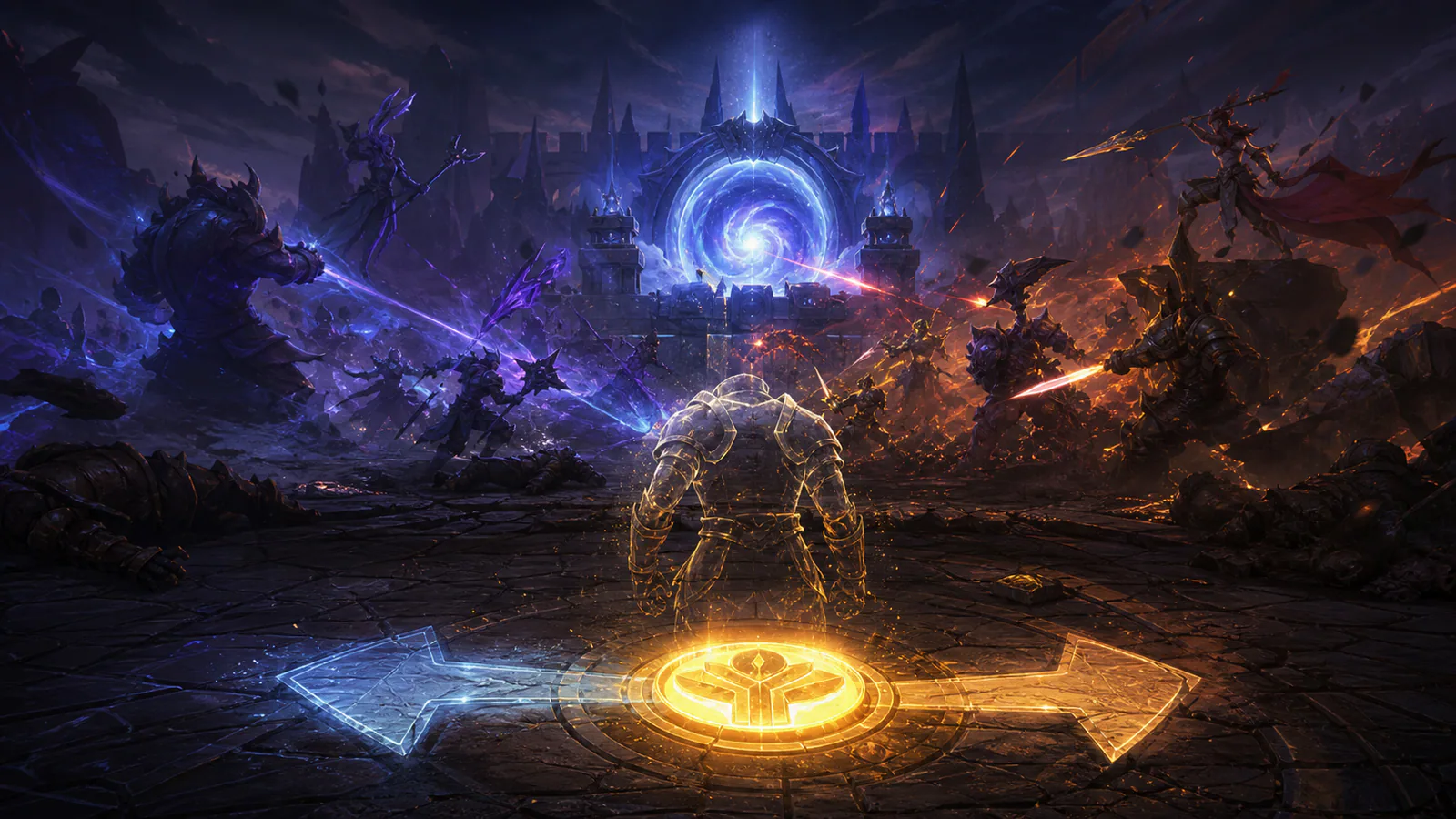
Buyback is one of Dota 2’s most powerful resources because it changes both the current fight and the next several minutes. Teams misuse it when the decision is reduced to fear: a core dies, the base looks exposed and the button is pressed before anyone states what the second life can accomplish. Buyback discipline begins before contact by defining purpose, return route and the map state that follows.
Classify the purpose before the fight
Each available buyback should have a primary purpose: defend the base, rejoin through an outpost or teleport, secure Roshan, or force the opponent to spend its own second lives. A player without a realistic return route may still buy back for defence, but cannot be counted as immediate fight strength across the map.
Call which heroes must preserve gold and which may complete an item. This prevents five players from independently assuming they are the exception. Recheck the plan when a major objective or teleport structure changes.
Count time, distance and cooldowns
The death timer alone does not decide value. Measure how long the player needs to re-enter, whether a teleport is protected and which spells will be ready upon arrival. A buyback that returns after the objective falls may only expose the team to a second death.
Before committing, ask whether the living players can slow the fight without ending it. Kiting for five seconds can transform a late buyback into a decisive flank. Chasing for one extra kill can make the same purchase irrelevant.
Use a verbal gate
Choose one caller to say “buy” or “hold,” while the dead player reports gold, cooldowns and route. The call should include the job: “Buy, teleport outpost, protect Roshan entrance.” That final phrase prevents the returning player from selecting a different target based on the first image visible on screen.
If communication is lost, default rules help. Buy immediately for an exposed throne; hold when no structure or major objective can be contested; reassess when an enemy buyback changes numbers. These are safeguards, not replacements for live judgment.
Plan the minute after the fight
A won fight with two buybacks spent may still require restraint. Track which players can safely show on lanes, which enemy second lives remain and whether the team can approach high ground. Our high-ground patience analysis explains why survival of the lead matters more than an emotional finish.
During review, record the intended purpose, actual return time and value created. Do not grade only by whether the team won the fight. A disciplined buyback can save a base in a losing exchange; a wasteful one can be hidden inside a win.
Practise the decision tree
Pause scrim replays at late-game deaths and give the caller five seconds to decide. Reveal only the information available at that moment. Ask the player to name route and first job before resuming. Repeat with one variable changed, such as Roshan status or a missing teleport structure.
Combine the exercise with our objective timing guide. The target is not fewer buybacks. It is fewer second lives without a second purpose.
Editorial note
Late-game decision guide reviewed against the current Dota 2 ruleset.
This article was reviewed on July 31, 2026.

Related stories
Dota 2 Watcher control guide for patch 7.41e
Dota 2 Watcher control is useful when it protects the next movement, not when a support activates every structure on cooldown. Patch 7.41e is the reference.
Dota 2 courier control guide for patch 7.41e
Good Dota 2 courier control protects a timing rather than chasing perfect convenience. Patch 7.41e is the reference version. Each player owns a courier, but.
Dota 2 neutral item choices guide for patch 7.41e
Patch 7.41e is the boundary for this guide. Neutral item selection should answer the next fight’s real constraint: survival, reach, mana, farming tempo, dispe.
Community channel
Join the discussion
Start a thoughtful, specific conversation about this story.
Verified readers only
Continue with Google to comment.
Your Google account creates a reader-only Kaizensclan profile. Your first comment is reviewed before publication.