Valorant anti-eco spacing: stop donating upgrade rounds
Keep the rifle advantage by treating every cheap weapon as a range problem.

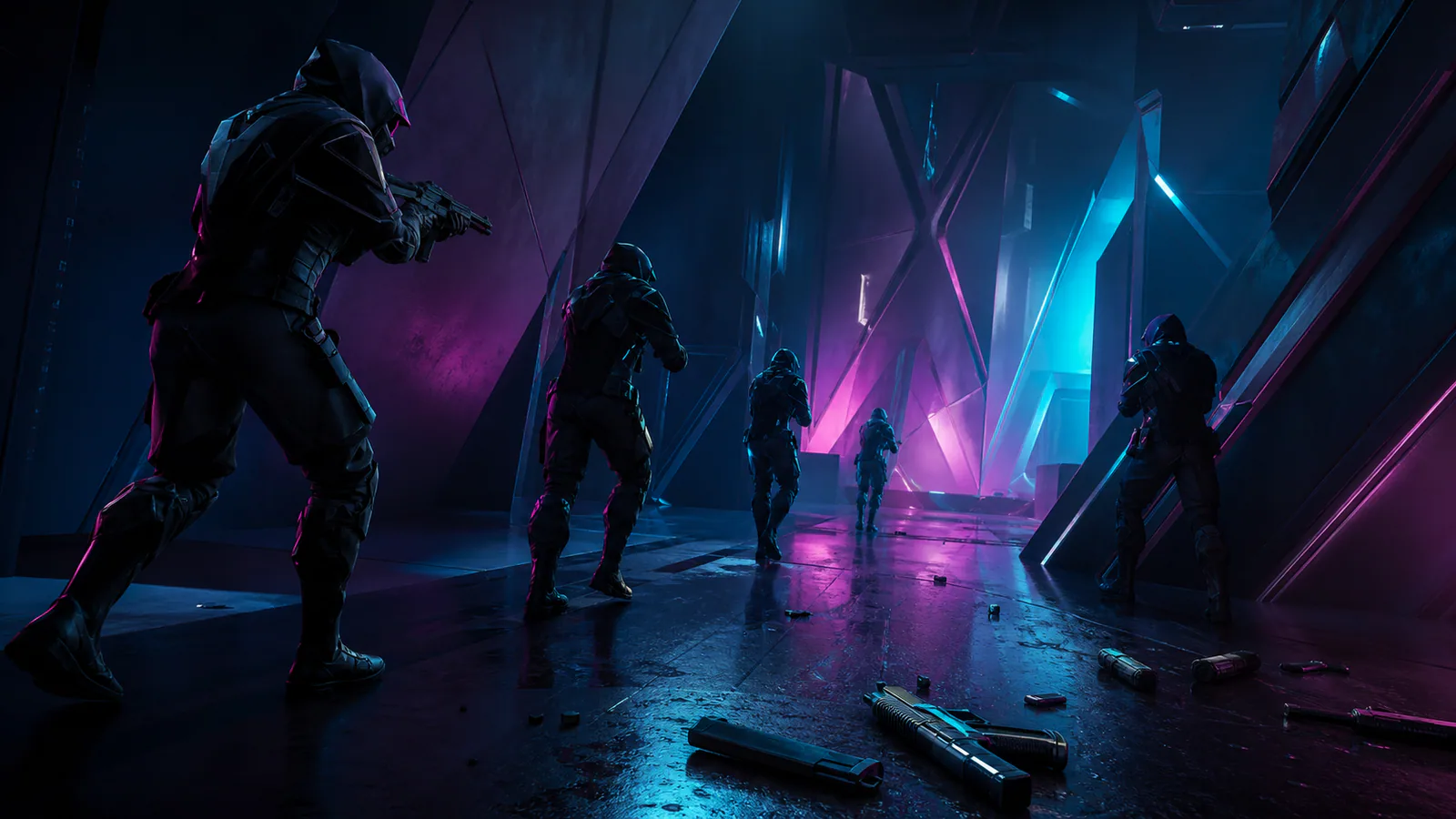
Valorant anti-eco rounds look simple on the buy screen: rifles, full armour and utility against cheaper weapons. They become difficult when the favoured team interprets that advantage as permission to take five separate fights. A Sheriff, shotgun or upgraded SMG needs only one isolated duel to change ownership. Good Valorant anti-eco spacing makes that first duel expensive for the defender and keeps the recovered rifle out of reach.
Choose the range before the route
Begin with the weapons the opponent can realistically field. Short corridors empower shotguns and Stingers; long, single-angle approaches give a Sheriff a clean first bullet. The answer is not to avoid every dangerous range. It is to select a route where utility can remove the strongest cheap weapon and where the second attacker can trade without crossing another angle.
Call the desired engagement distance during buy time. That sentence gives purpose to the opening utility. A recon tool is not “for information” in the abstract; it confirms whether the team may preserve long range or must clear a close pocket together.
Build a two-player trading unit
The safest anti-eco shape is usually a pair followed by a flexible third player. The first player clears the immediate threat. The second stays close enough to trade but far enough to avoid the same shotgun blast or utility effect. The third holds the dropped rifle line and prevents a defender from escaping with the upgrade.
Distance should be measured in time rather than metres. If the second player needs more than a brief crosshair correction to see the same opponent, the gap is too large. Our 20-minute trade-spacing drill turns that idea into a repeatable practice routine.
Do not accelerate after first contact
The first kill often creates the most dangerous moment. Attackers hear a weak weapon and rush to collect a free site, separating the pair that made the opening safe. Pause long enough to account for the dropped gun, the nearest rotation and any close corner the first player could not clear. Weapon advantage grows stronger as the clock removes desperate options.
On defence, the same principle applies in reverse. Avoid five independent hunts after spotting a low buy. Hold crossfires that force the opponent to spend utility and expose the recovered weapon to a second angle.
Define success beyond survival
An anti-eco win with three rifles lost can damage the following two rounds. Before the barrier drops, decide which weapons cannot be exposed first and which ultimate or utility investment is justified. Sometimes the correct finish is slow and unglamorous: plant, hold distance and refuse the final chase.
Review these rounds separately from full buys. Mark every death that could not be traded within one second and every dropped rifle the opponent was allowed to recover. Combined with the role guide, that review gives each player a clear job. The goal is not to fear weaker purchases. It is to make the opponent defeat the structure before they can claim the equipment.
Editorial note
Tactical analysis grounded in current Valorant economy and weapon principles.
This article was reviewed on July 31, 2026.

Related stories
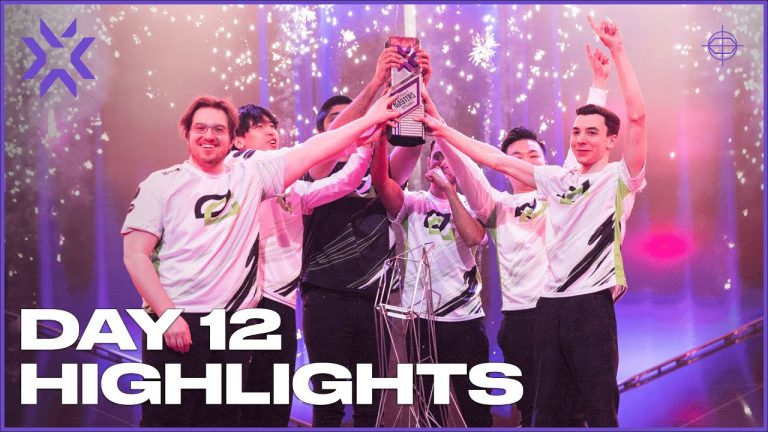
OpTic vs LOUD: Masters Reykjavík 2022 final
The OpTic vs LOUD Masters Reykjavík 2022 final ended 3–0 on April 24. OpTic won two overtime maps before closing the series and became the first North America.

EDG vs Heretics: the five-map Champions 2024 final
The EDG vs Team Heretics Champions 2024 final went all five maps in Seoul on August 25. EDward Gaming won 3–2, delivering China’s first global VALORANT title.
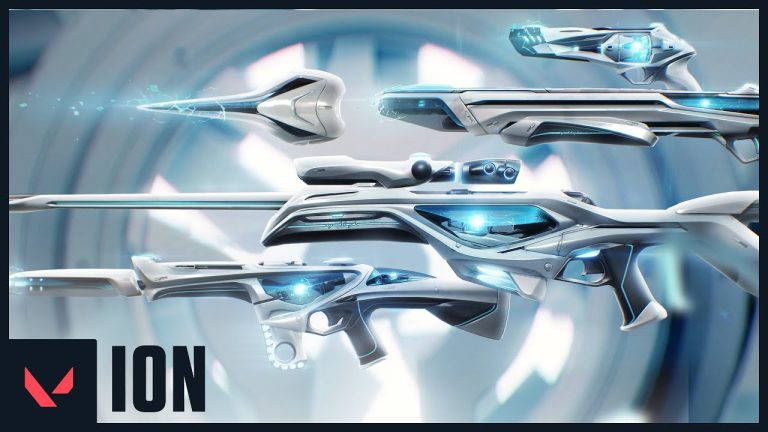
VALORANT Ion: clean science fiction built around energy
Riot revealed the original VALORANT Ion skin line in November 2020. Its white shells, dark joints and blue energy cores present a clean science-fiction weapon.
Community channel
Join the discussion
Start a thoughtful, specific conversation about this story.
Verified readers only
Continue with Google to comment.
Your Google account creates a reader-only Kaizensclan profile. Your first comment is reviewed before publication.